
Advice and inspiration
The history of rug making

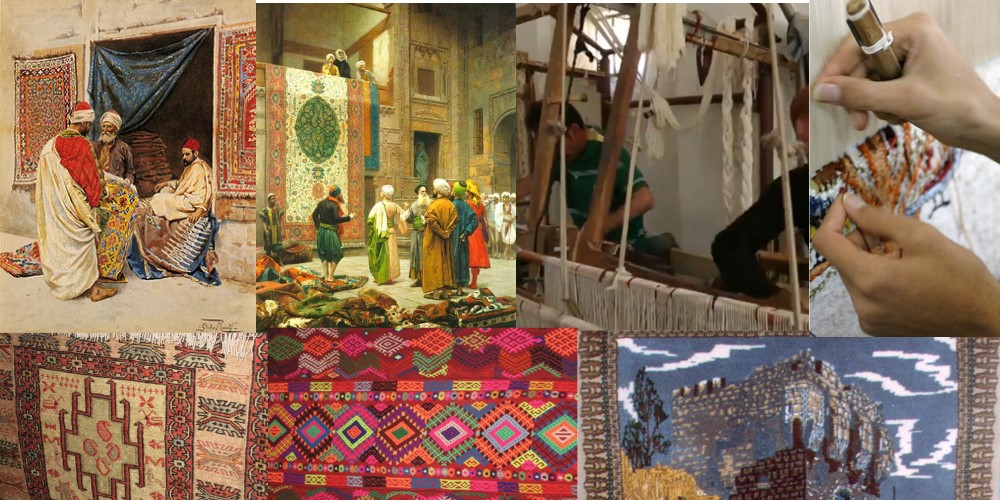
The history of rug making
Historians generally trace rug making to Central Asia more than 8,000 years ago, closely linked to the nomadic cultures of the tribes living there. Rugs were used as floor coverings, to cover huts and tents, as internal partitions, and to make saddles, bags and children's cradles.
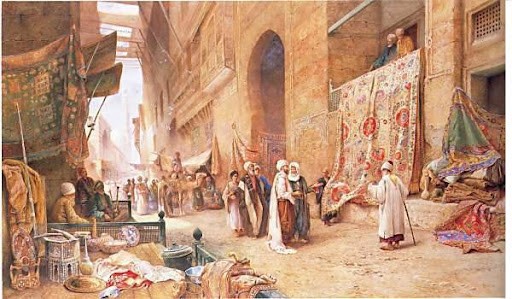
Initially, they were made to meet basic needs and provide comfort. Later, weavers began incorporating different figures andmotifsand dyeing materials with grasses and herbs. Rugs acquired an artistic style and growing cultural significance.
As they travelled and encountered different tribes and cultures, nomadic tribes spread traditional rug-making techniques throughout much of Asia, from Siberia to India.
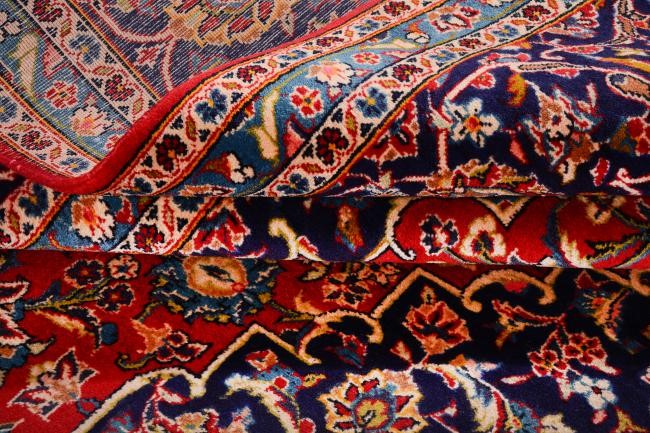
Among the rugs still best known for their quality and beautiful patterns are Persian rugs. Traditional carpet-weaving skills from Iran's Fars and Kashan regions are included on UNESCO's Representative List of the Intangible Cultural Heritage of Humanity.
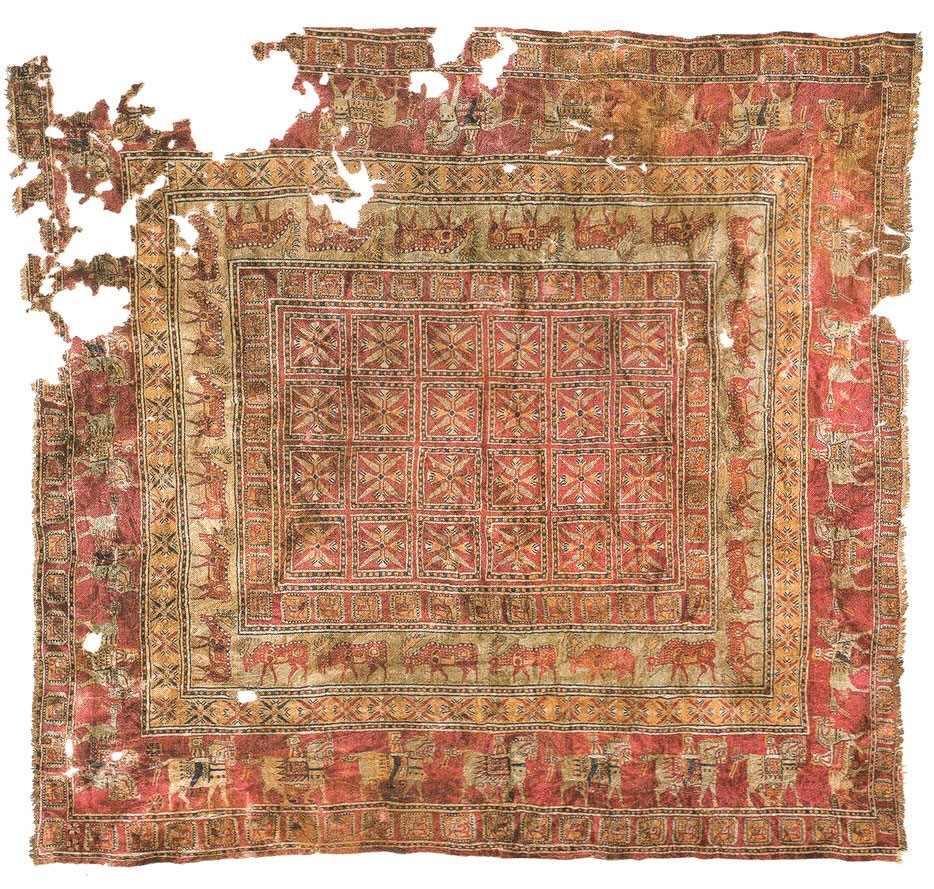
A remarkable trace of this history was discovered in the Altai Mountains of southern Siberia in 1949, when the Russian archaeologist Rudenko found a well-preserved rug in the tomb of a Scythian prince at Pazyryk.
The rug dates from the fifth century BC and has characteristics associated with Persian rugs. It is entirely woollenand made with a symmetrical double knot still used in Persian rug weaving. Its weaving technique and rich ornamentation indicate a long-established craft. The Pazyryk rug survives almost intact and is kept at the Hermitage Museum in St Petersburg.
The colours of rugs hold the unwritten history of humanity's search for beauty and comfort. They reflect our ancestors' world views, beliefs and customs.
This PR Article was written by Seniha Sami