
Advice and inspiration
The art of hand-knotted rugs: a lasting investment

Handmade rugs are more than floor coverings. They are works of art that bring warmth and character to any space. This article explores the materials and techniques used by master rug makers and will show why these rugs can be a lasting investment.
1. What are handmade rugs?
They are produced using traditional techniques that highlight skilled handwork. Unlike machine-made rugs, every handmade rug is unique, including its size and pattern, making it one of a kind and impossible to reproduce exactly.
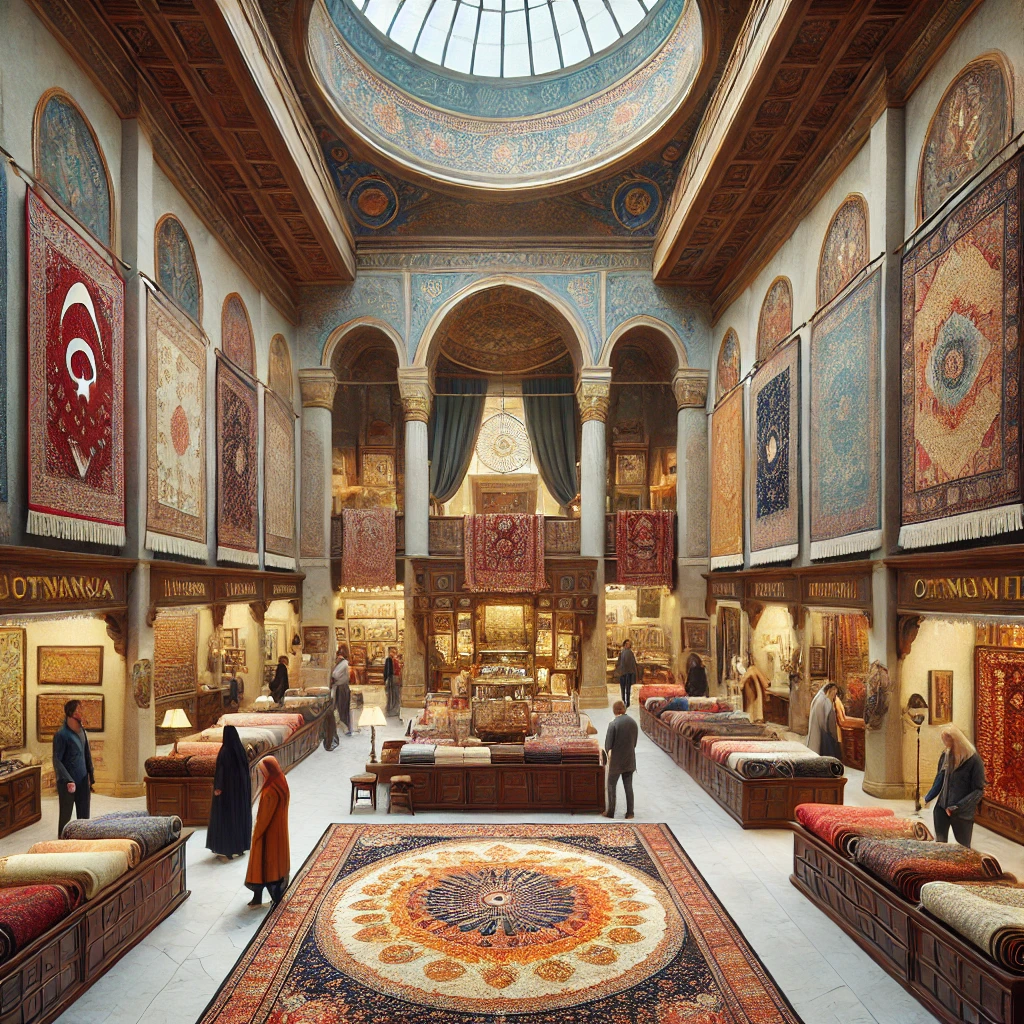
2. Materials used
- Handmade rugs made from wool: Wool is the most commonly used material. Fine wool can show a directional sheen similar to silk. Depending on the pile's orientation in your interior, the rug appears to have a lighter and a darker side.
- Handmade rugs made from natural silk: These offer a luxurious look and feel that highlights intricate decoration. The directional sheen is more pronounced than in wool. Working with the material can be hard on the weavers’ hands, so they take rest periods between working weeks to allow their fingers to recover.
- Hand-knotted rugs made from artificial silk: This material imitates silk and is suited to rooms without heavy foot traffic. Furniture may leave lasting impressions, so placing it on these rugs is not recommended. As the name suggests, appearance takes precedence over practicality, making them suitable for bedrooms or decorative areas with little traffic.
- A combination of wool and artificial silk: This is often found in modern handmade rugs and reflects a designer's influence, although it also appears in classic designs such as handmade Tabriz rugs. It creates a distinctive contrast between the materials as the pile catches the light
3. Types
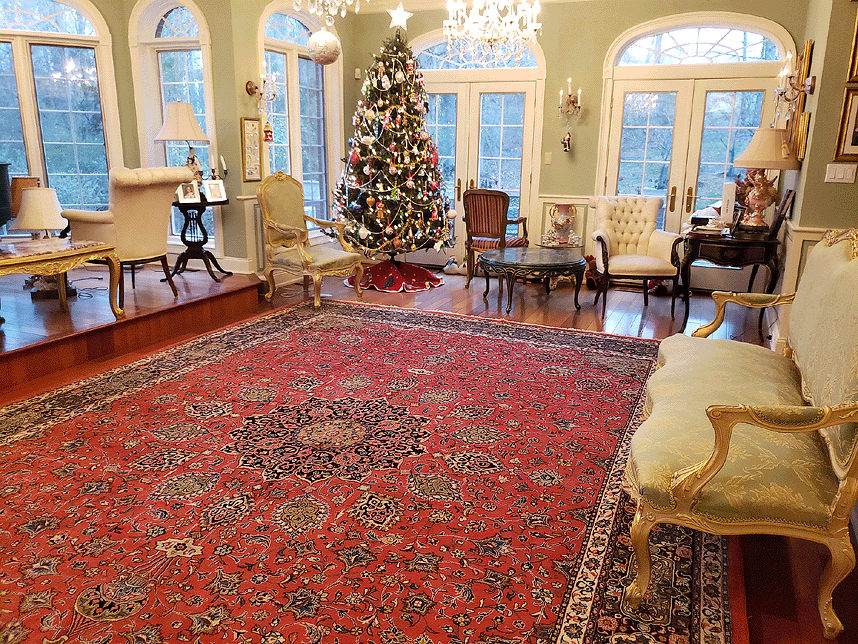
- Persian handmade rugs: These are known for intricate designs preserving the traditions and culture of ancient Persia. They are regarded as the original source of handmade rugs and represent craftsmanship of the highest standard.
- Turkish handmade rugs: Known for bold colours and geometric patterns. A characteristic material is so-called Turkish silk, an imitation of natural silk also known as modal.
- Afghan handmade rugs: Often made in rich earth tones with tribal patterns. They are a less expensive alternative to Persian rugs while remaining a good choice for a handmade rug made from natural materials.
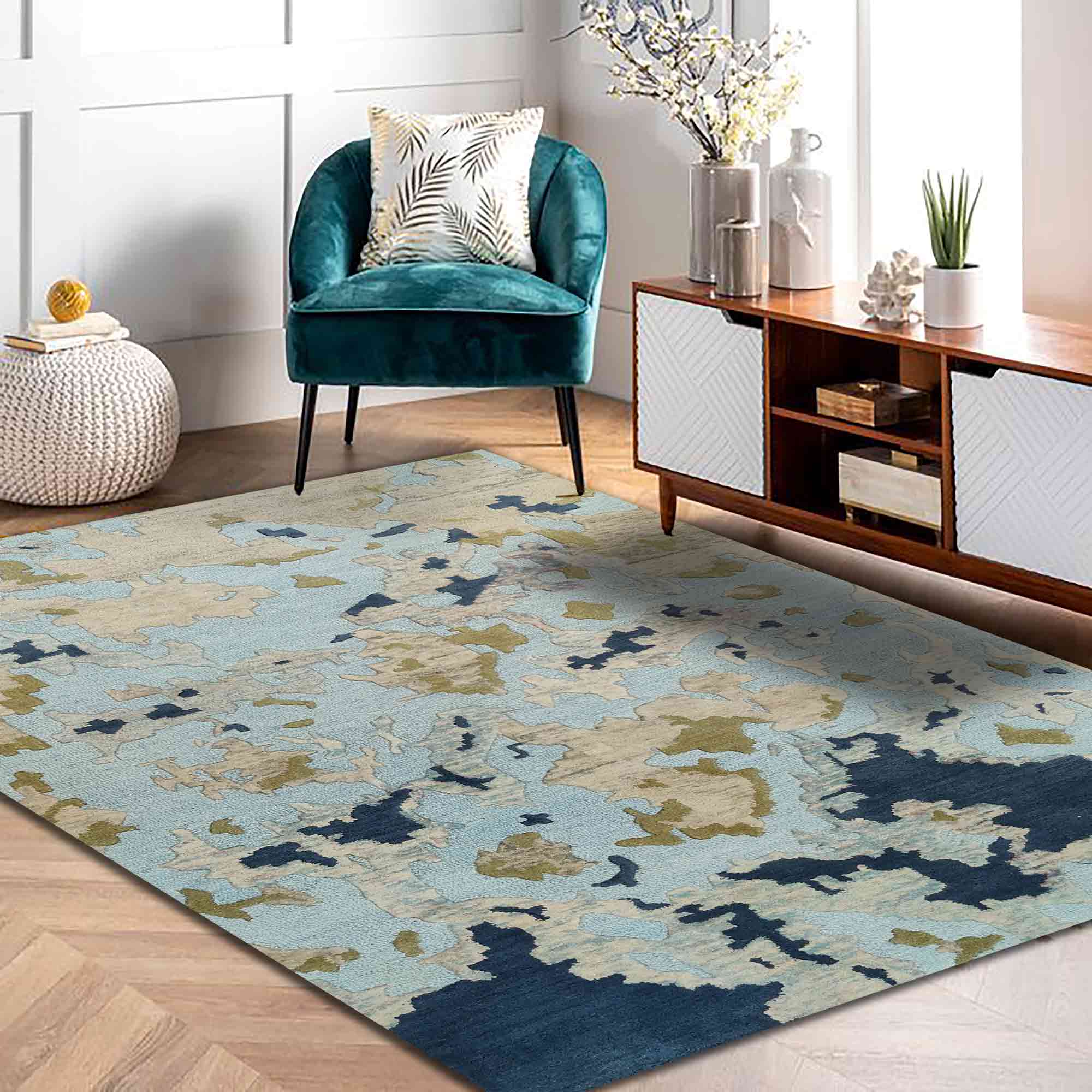
- Nepalese handmade rugs: Known for natural dyes and artistic expression that suit contemporary interiors. Their thickness cushions children's falls and also provides sound insulation.
Investing in a handmade rug improves your home's appearance and supports a traditional craft that is becoming less common. As fewer young people take up rug making, the finest examples can also have investment value. Whether you prefer the bright colours of Turkish rugs or the intricate patterns of Persian ones, the work of a skilled weaver helps explain their price.
This PR Article was written by Stanimir Angelov